
Cardio Equipment Guide: Choosing the Best Machines for Home & Gym
The Complete Cardio Equipment Guide: Selecting the Right Machine for Your Goals
Choosing cardio equipment often feels overwhelming. You face a wall of options at the gym or an endless scroll of online listings for home use. Each machine promises superior results, but which one truly fits your body, your goals, and your space? The best cardio machine is not a universal answer; it is the tool that aligns with your specific fitness objectives, physical considerations, and practical constraints. This guide cuts through the marketing to provide a detailed, evidence-based comparison of every major category. We will analyze stationary bikes, treadmills, ellipticals, rowers, and stair climbers across ten critical dimensions to help you make a confident, informed investment in your health.
Understanding Your Cardio Machine Selection Criteria
Before examining individual machines, establish your personal evaluation framework. A machine that is perfect for a competitive runner may be unsuitable for someone rehabilitating a knee injury. Your decision should balance several interconnected factors.
First, define your primary training objective. Are you aiming for weight management, endurance building, heart health improvement, or joint-friendly low-impact exercise? Your goal dictates the type of workout stress you need to apply. Second, conduct an honest assessment of your physical condition. Pre-existing joint issues, particularly in the knees, hips, or back, will immediately narrow your options. Third, consider your spatial and financial parameters. A commercial-grade treadmill demands significant floor area and budget, while a compact under-desk bike solves different problems.
Finally, evaluate the experiential element. Adherence is the most critical factor for long-term success. If you find an activity monotonous, you will not perform it consistently. Some individuals need immersive entertainment like a large touchscreen, while others prefer the simplicity of a heart rate readout. The optimal machine is the one you will use repeatedly over years, not just during initial enthusiasm.
Stationary Bikes: The Low-Impact Standard
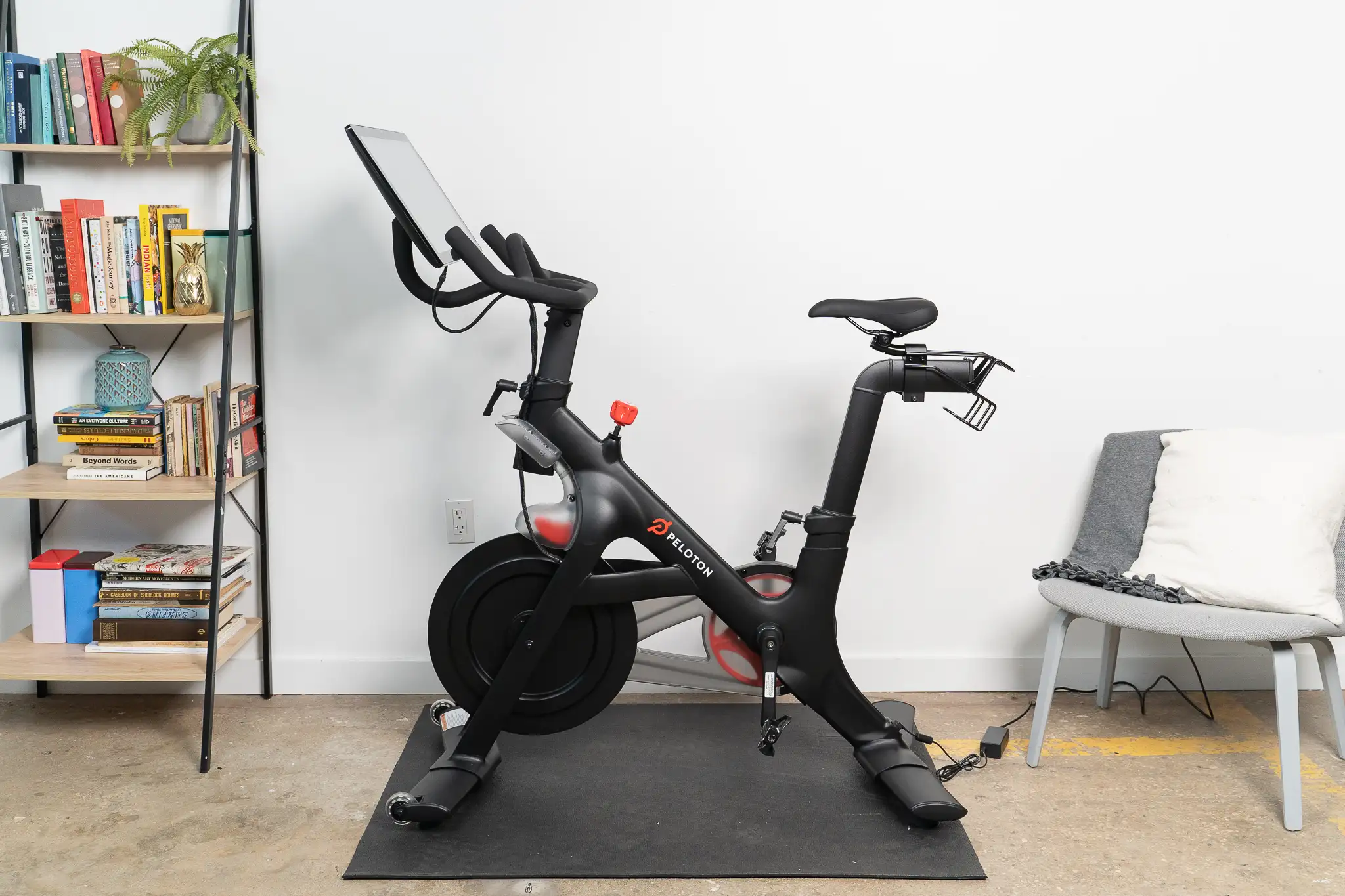
Stationary bicycles remain a cornerstone of cardiovascular training for compelling reasons. They provide an effective aerobic workout while minimizing stress on weight-bearing joints. The seated position supports the body, making cycling accessible for a wide population, including those with obesity or arthritis. Modern iterations offer remarkable variety, from the aggressive forward-lean posture of an indoor cycle to the relaxed recline of a recumbent model.
Upright bikes simulate a traditional road bicycle. They engage core muscles for stability and allow for intervals of standing pedaling to increase intensity. Recumbent bikes feature a bucket seat with back support and pedals positioned in front of the body. This design significantly reduces strain on the lower back and is often the preferred choice for therapeutic or senior fitness. Indoor cycles, or spin bikes, are built for high-intensity, performance-oriented training. They have a heavy flywheel for a realistic road feel, micro-adjustable components, and a geometry that supports vigorous out-of-the-saddle efforts.
The primary advantage of all stationary bikes is their high calorie-burn potential with low orthopedic risk. A 160-pound person can burn approximately 400-600 calories per hour at a moderate pace. They are also relatively quiet and space-efficient, often requiring less than 10 square feet. The main limitation is the focused muscular engagement; cycling primarily strengthens the quadriceps, hamstrings, and glutes, with less upper body involvement. For a full-body workout, cycling must be supplemented with other training.
Treadmills: The Gold Standard for Weight-Bearing Cardio
Treadmills are the most popular home cardio machine in the United States for one fundamental reason: they replicate humanity’s most natural movement pattern. Walking and running are weight-bearing activities that directly support bone density, a key benefit often missing from non-impact cardio. This makes treadmills exceptionally effective for weight management goals, as they engage a large muscle mass, leading to a higher calorie expenditure per minute compared to many other machines at similar perceived effort levels.
Contemporary treadmills are technological hubs. Basic models offer manual inclination adjustments, while premium units feature powerful motors, decline capabilities, and extensive programming. Integrated touchscreens can stream virtual running trails, follow structured trainer-led workouts, or connect to subscription services like iFIT or Peloton App. This connectivity can dramatically improve engagement for users who find solo running tedious.
Still, treadmills demand respect for their drawbacks. The impact force from running, while beneficial for bones, can exacerbate knee, ankle, or hip issues. They are typically the largest and heaviest home cardio option, requiring a dedicated space and potentially reinforced flooring. They also tend to be the most expensive category both in initial purchase price and electricity consumption due to the powerful motor. Proper form is critical; striking the belt too far forward or holding the handrails can alter gait and reduce effectiveness.
Elliptical Trainers: Full-Body, Low-Impact Motion
Elliptical trainers were engineered as a solution to a specific problem: achieving a high-calorie, weight-bearing-like workout without the jarring impact of a treadmill. The user stands on two pedals and grips moving handles, following an oval, or elliptical, path. This motion simulates running, stair climbing, and cross-country skiing, but the feet never leave the pedals, eliminating the high-impact landing phase. It is a compelling option for individuals seeking joint protection without sacrificing workout intensity.
The biomechanical design offers distinct advantages. The moving handles engage the muscles of the back, chest, shoulders, and arms, promoting a more balanced upper and lower body workout than a bike or treadmill. Many users report a higher perceived exertion for a given heart rate, indicating efficient muscular recruitment. Most ellipticals offer adjustable resistance and ramp incline, allowing users to target different muscle groups, such as emphasizing glutes with a steeper ramp setting.
Potential users should be aware of certain ergonomic considerations. The fixed motion path does not suit everyone; some individuals may experience a sensation of awkwardness or even knee discomfort if the stride length is not adjustable to their natural gait. The machine’s footprint is substantial, often larger than an upright bike, and the motion can generate more noise than a stationary cycle. Quality varies significantly; a low-end elliptical may have a short, uncomfortable stride, while a commercial model provides a smooth, natural feel.
Rowing Machines: The Ultimate Full-Body Engine
Rowing machines, or ergometers, are uniquely efficient at delivering a comprehensive cardiovascular and muscular workout in one activity. A proper rowing stroke sequentially engages approximately 85% of the body’s major muscles. The drive phase begins with a powerful leg push, continues with core and back engagement as the body swings open, and finishes with an arm pull. This coordinated sequence builds exceptional functional strength and aerobic capacity simultaneously.
The calorie burn potential is exceptionally high because of this total-body demand. A vigorous rowing session can exceed the metabolic output of cycling or elliptical training for the same duration. What’s more, because the user is seated and the motion is linear and low-impact, it places minimal stress on the joints when performed with correct technique. This makes it an excellent choice for those seeking intense workouts without running-related impact.
The central challenge with rowing is the technical learning curve. Poor technique, such as leading with the back instead of the legs, can lead to lower back strain. Initial sessions can feel awkward until the motor pattern becomes familiar. Rowers also have a long footprint, though many modern models fold vertically for storage. The feel of the machine varies by resistance type: air rowers provide a smooth, self-regulating resistance that increases with effort; magnetic rowers are quieter and offer consistent, adjustable resistance; and water rowers create a distinctive auditory and visual experience that many find immersive.
Stair Climbers and Step Mills: Targeted Intensity and Glute Development
Stair climbing machines specialize in high-intensity, lower-body conditioning. They come in two primary designs: the stepper, with two independent foot pedals that move in a reciprocal piston-like motion, and the step mill, which replicates a rotating escalator of individual steps. Both types isolate and intensely work the quadriceps, glutes, hamstrings, and calves, making them unparalleled for building lower-body strength and muscular endurance.
The stepper, like the classic StairMaster, often includes moving handlebars that link to the pedals for added upper-body involvement. The step mill, such as a StairClimber, requires the user to climb actual moving steps, demanding greater balance, core stability, and a fuller range of motion. This activity produces a very high heart rate response and calorie burn relative to its perceived impact, as the user’s body weight is consistently being lifted vertically.
These machines are not ideal for everyone. The motion is highly repetitive and can be strenuous on the knees, particularly if the user leans heavily on the handrails or uses too high a step height. The workout is almost exclusively lower-body focused. On top of this, step mills are large, heavy, and rarely practical for most home settings due to their size and cost. They excel in commercial gyms or for home users with specific athletic training goals and sufficient space.
Comparative Analysis: Key Metrics Side-by-Side
The following table synthesizes the core attributes of each major cardio machine category. Use this data as a starting point for your evaluation, remembering that individual models within each category can vary widely.
| Machine Type | Primary Benefit | Best For | Joint Impact | Avg. Calorie Burn/Hour | Space Required | Avg. Home Price Range |
|---|---|---|---|---|---|---|
| Stationary Bike (Upright) | Low-impact, high-intensity intervals | HIIT, knee rehab, general fitness | Very Low | 400-600 | Small | $200 – $1,500+ |
| Treadmill | Weight-bearing, natural motion | Weight loss, running training, bone health | High (Running) | 500-700 (run) | Very Large | $500 – $3,500+ |
| Elliptical | Full-body, low-impact | Joint protection, full-body engagement | Low | 450-650 | Medium-Large | $300 – $2,500+ |
| Rowing Machine | Total-body strength & cardio | Full-body conditioning, high-efficiency workouts | Very Low | 500-700+ | Long (often foldable) | $400 – $2,000+ |
| Stair Climber | Lower-body power & endurance | Glute/leg strength, high-intensity intervals | Medium | 400-600 | Medium | $500 – $3,000+ |
Calorie burn estimates are for a 160-pound person at moderate-to-vigorous intensity. Actual values depend on individual effort and metabolism.
Integrating Technology and Interactive Fitness
The modern cardio equipment market is dominated by the rise of interactive, connected fitness. Platforms like Peloton, iFIT, and Hydrow have transformed standalone machines into networked portals for live and on-demand classes. This integration directly addresses the primary reason for equipment abandonment: boredom. A large, high-definition touchscreen that streams scenic runs, competitive leaderboards, or instructor-led sessions can significantly improve user adherence.
When evaluating a smart machine, scrutinize the associated subscription model. Most require a monthly fee (typically $30-$45) to access the full content library. Without this subscription, the machine may revert to a basic manual mode. Assess the quality and diversity of the content library. Does it offer the class types, instructor styles, and workout lengths you prefer? Also, consider the hardware: screen size, audio quality, camera capability for form feedback, and the responsiveness of the machine’s resistance to automatic instructor-led changes.
For those not wanting a locked ecosystem, many machines offer Bluetooth and ANT+ connectivity. This allows them to pair with third-party apps like Zwift (for cycling and running), Strava, or Apple Fitness+ via your own tablet. This path offers greater flexibility and can reduce long-term costs, though the integration may be less seamless than a native platform.
Home Gym vs. Commercial Gym Considerations
Your decision matrix shifts dramatically depending on whether you are outfitting a home gym or selecting which machine to use at a commercial facility.
For home gyms, the calculus extends beyond pure workout efficacy. Space is the foremost constraint. Measure your area accurately, including ceiling height for treadmills or vertical-storage rowers. Consider noise and vibration, especially if you live in an apartment; magnetic resistance bikes and rowers are often quieter than air-based or treadmill models. Budget must include not just the purchase price but potential assembly costs, maintenance, and increased electricity usage. Durability is critical; a home unit should have a robust frame and a user weight capacity at least 50 pounds above your own weight. Look for warranties that cover the frame for a minimum of 10 years.
In a commercial gym, you have the luxury of variety. Your strategy should be to match the machine to your daily workout objective. Use the treadmill for running intervals, the rower for a full-body warm-up or metabolic conditioning, the elliptical for active recovery days, and the stair climber for focused leg burnout. Gym-grade equipment is built for near-constant use, offering superior durability, smoother motion, and more advanced consoles. This is your opportunity to test different modalities extensively before potentially investing in a home unit.
Making Your Final Decision: A Step-by-Step Selection Process
Follow this structured process to move from analysis to action.
1. Clarify Your ‘Why’: Write down your top two fitness goals (e.g., “improve cardiovascular health” and “manage lower back pain”). Any machine you consider must directly serve these goals.
2. Audit Your Constraints: Document your available space (in square feet), your maximum budget (including potential subscription fees), and any major physical limitations.
3. Experience Before You Buy: If possible, visit fitness equipment stores or use trial gym memberships to test short sessions on a treadmill, elliptical, bike, and rower. Note which feels most sustainable and enjoyable for a 20-minute period.
4. Research Specific Models: Once you narrow the category, dive into model-specific reviews. Focus on consistent feedback about reliability, noise, and customer service. For home equipment, the quality of the warranty is a direct reflection of the manufacturer’s confidence.
5. Plan for Long-Term Use: Consider where the machine will live permanently. Factor in maintenance, like belt lubrication for treadmills or battery replacement for consoles. Choose a model that fits your life not just today, but for the next five to ten years.
The perfect cardio machine exists at the intersection of your physiological needs, your psychological preferences, and your practical reality. There is no single “best” option for everyone, only the best tool for you. By applying a disciplined, criteria-based evaluation, you transform a potentially confusing purchase into a strategic investment in your long-term well-being. This machine will be your partner in achieving health milestones; choose the one that makes you want to show up and perform.
Frequently Asked Questions
What is the best cardio machine for weight loss?
All machines can aid weight loss when used consistently, as calorie deficit is key. The most effective tool is the one you use most often. For maximum calorie burn per session, treadmills (running), rowers, and stair climbers typically lead. But a stationary bike used daily for HIIT may yield better long-term results than a treadmill you avoid due to joint pain. Consistency driven by enjoyment is the ultimate determinant of success.
Is an elliptical or a bike better for bad knees?
Both are excellent low-impact choices. For significant knee issues, a recumbent bike is often the superior option. It provides full back support and places the legs in a position that minimizes patellar stress. An elliptical can also be knee-friendly if you maintain an upright posture, avoid excessive incline, and ensure the stride length feels natural. Avoid deep squat-like motions on the elliptical.
How much space do I need for a home treadmill?
You need a substantial area. A standard treadmill requires a floor space of at least 7 feet long by 3 feet wide for the machine itself. For safety and comfort during use, you should add a minimum of 2 feet behind the machine and 1-2 feet on each side. This creates a total recommended zone of approximately 9 feet by 5 feet. Always check the specific model’s folded and in-use dimensions.
Are interactive fitness subscriptions worth the monthly cost?
The value depends entirely on your personality and exercise habits. If you struggle with motivation, find solo workouts boring, or thrive on community and structured guidance, a subscription can be invaluable for adherence. It transforms equipment from an appliance into an experience. If you prefer to watch your own videos, listen to podcasts, or simply zone out, a basic machine without a mandatory subscription may be a more cost-effective choice.
References
– American Council on Exercise: Calorie Burn Calculator
– Harvard Health Publishing: Calories burned in 30 minutes for people of three different weights
– National Institute on Aging: Exercise and Physical Activity
– American College of Sports Medicine: Selecting and Effectively Using a Home Exercise Bicycle
– Consumer Reports: Treadmill Buying Guide