
HIIT & Aerobic Training: A Complete Guide to High-Intensity and Traditional Workouts
HIIT vs. Aerobic Training: The Complete Guide to High-Intensity and Traditional Workouts
You want to get fitter, lose weight, and feel stronger. But the sheer volume of conflicting workout advice can be paralyzing. Should you push through grueling, breathless intervals or log steady miles on the treadmill? The debate between High-Intensity Interval Training (HIIT) and traditional aerobic exercise is central to modern fitness. This guide cuts through the noise to provide a definitive, science-backed comparison. You will learn the distinct physiological impacts of each method, how to structure effective routines, and, most critically, how to choose the right approach for your unique body and goals.
HIIT involves short bursts of maximum or near-maximum effort followed by periods of lower-intensity recovery or complete rest. This pattern is repeated multiple times in a single session, which typically lasts between 10 to 30 minutes. In contrast, traditional aerobic training—often called steady-state cardio—involves maintaining a moderate, consistent pace for a longer duration, usually 30 minutes or more. The core difference lies in intensity and work-to-rest ratios. HIIT challenges your anaerobic energy systems, pushing your heart rate to 80-95% of its maximum. Aerobic training works within your aerobic system, keeping your heart rate at a sustainable 60-75% of its maximum. Both methods improve cardiovascular health and body composition, but they do so through different metabolic pathways and offer distinct advantages.
The Science of HIIT: How Short Bursts Create Big Changes
High-Intensity Interval Training works by creating a significant metabolic disturbance. When you perform an all-out effort, your muscles demand energy faster than your aerobic system can supply it. This forces your body to rely on anaerobic pathways, breaking down stored glucose without oxygen. The result is a rapid accumulation of metabolic byproducts and a state of oxygen debt, scientifically known as Excess Post-Exercise Oxygen Consumption (EPOC).
EPOC is the “afterburn” effect. After a HIIT session, your body must work hard to restore itself to a resting state. It must replenish oxygen stores, clear lactate, repair muscle tissue, and return core temperature and hormone levels to baseline. This recovery process requires energy, meaning you continue to burn calories at an elevated rate for hours after your workout has finished. Studies indicate this effect can last from 16 to 48 hours, depending on the session’s intensity and duration. This makes HIIT exceptionally time-efficient for calorie expenditure.
On top of this, HIIT has a profound impact on muscle fiber recruitment. It heavily engages fast-twitch (Type II) muscle fibers, which are larger and have greater potential for growth and strength gains than the slow-twitch fibers primarily used in steady-state cardio. This is why HIIT can contribute to muscle building and preservation, especially when combined with resistance training. The intense stimulus also improves insulin sensitivity, as muscle cells become more efficient at absorbing glucose from the bloodstream to replenish their depleted stores.
The Enduring Value of Traditional Aerobic Exercise
While HIIT garners significant attention, traditional aerobic training remains a cornerstone of fitness for good reason. Its primary benefit is building a robust aerobic base—the foundation of all endurance. When you engage in sustained moderate-intensity exercise, your body makes profound adaptations. Your heart becomes a more efficient pump, stroke volume increases, and your network of capillaries expands to deliver more oxygen-rich blood to working muscles.
Inside the muscle cells, mitochondria—the cellular power plants—increase in both number and size. With more mitochondria, your body becomes remarkably efficient at burning fat for fuel. This process, known as mitochondrial biogenesis, is a key reason why long, steady sessions are excellent for improving metabolic health and endurance. Aerobic training also strengthens the heart muscle without the extreme stress spikes associated with HIIT, making it a safe and sustainable starting point for beginners or those with certain health considerations.
From a practical standpoint, aerobic exercise is highly accessible and manageable. The lower intensity allows for longer sessions, which can be meditative and excellent for mental health. It is also easier to recover from, permitting more frequent training. For athletes, a strong aerobic base enhances recovery between high-intensity efforts, whether in sports or during HIIT intervals themselves. It is not an outdated method but a complementary system that supports overall fitness resilience.
Comparing Benefits: A Side-by-Side Analysis
Choosing between HIIT and aerobic training often comes down to your specific objectives. The following table outlines the primary benefits of each to help clarify their best applications.
| Fitness Goal | HIIT Training | Traditional Aerobic Training |
|---|---|---|
| Calorie Burn During Workout | High, but shorter duration. | Moderate, but sustained over longer duration. |
| Post-Workout Calorie Burn (EPOC) | Very High. Significant "afterburn" effect. | Low to Moderate. Minimal EPOC. |
| Time Efficiency | Excellent. Achieves results in shorter sessions (20-30 mins). | Lower. Requires longer sessions (45-60 mins) for comparable calorie burn. |
| Cardiovascular Health | Improves VO2 max and heart function quickly. | Builds exceptional heart and lung endurance; lowers resting heart rate. |
| Fat Loss & Metabolism | Effective for reducing visceral fat; boosts metabolic rate post-exercise. | Excellent for improving fat oxidation; enhances metabolic efficiency. |
| Muscle Building & Retention | Helps build and preserve muscle, especially lower body. | Minimal muscle building; can lead to muscle loss if not paired with strength training. |
| Accessibility & Safety | Higher impact; requires baseline fitness; greater injury risk. | Low impact options available; suitable for all levels; lower injury risk. |
| Mental & Adherence Factors | Can be intimidating; requires high motivation. | Often perceived as easier to start and maintain; can be meditative. |
Designing an Effective HIIT Routine: Principles and Pitfalls
Creating a successful HIIT workout requires more than just alternating between sprinting and walking. The structure of your work-to-rest intervals determines the training effect. Common protocol ratios include 1:1 (e.g., 30 seconds sprint, 30 seconds walk), 2:1 (e.g., 40 seconds work, 20 seconds rest), or even 1:2 for beginners. The work interval should be performed at an intensity where speaking is impossible—often rated as an 8 or 9 on a scale of 1 to 10. The rest period should be active recovery (like slow walking) or complete rest, allowing your heart rate to drop significantly.
A major pitfall is going too hard, too soon. True HIIT is maximally effortful, but if you are new to exercise, attempting this can lead to poor form, extreme discomfort, and quick burnout. A better approach is to begin with moderate-intensity intervals. For example, alternate 1 minute of brisk walking with 1 minute of jogging for 20 minutes. As your fitness improves, increase the intensity of the work interval and adjust the ratio.
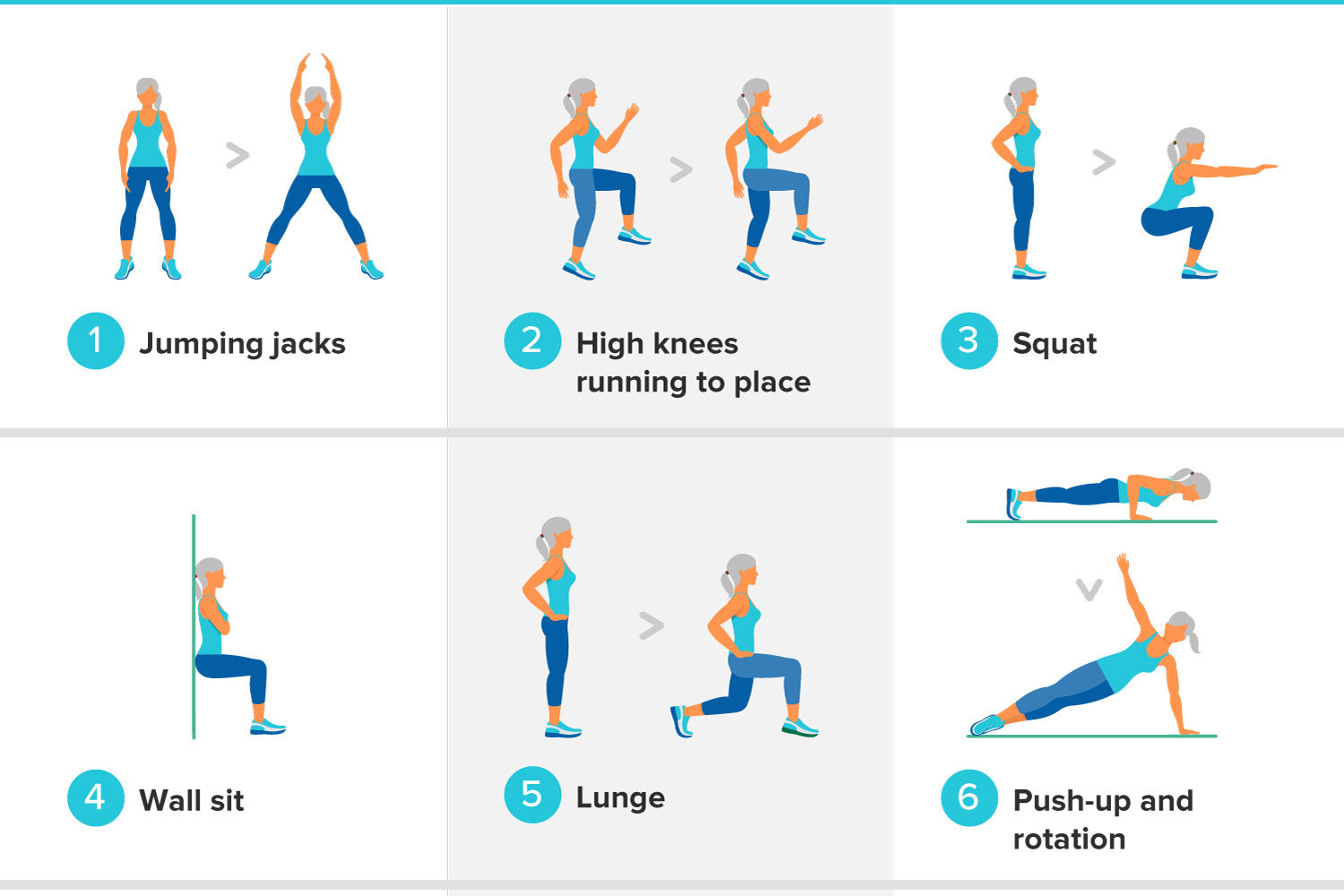
Exercise selection is also crucial. While running and cycling are classic choices, HIIT can be done with bodyweight movements like burpees, mountain climbers, squat jumps, and kettlebell swings. These compound exercises engage multiple muscle groups, amplifying the metabolic response. A sample beginner bodyweight HIIT session could be: 45 seconds of work, 75 seconds of rest, repeated for 6 rounds. Exercises: Jumping Jacks, Bodyweight Squats, Push-Ups (or knee push-ups), and Plank Hold. Always begin with a 5-minute dynamic warm-up and end with a cool-down.
Structuring a Balanced Aerobic Training Program
Effective aerobic programming is not merely about spending time on a machine. To avoid plateaus and ensure progress, apply the principles of frequency, intensity, time, and type (FITT). For general health, aim for at least 150 minutes of moderate-intensity aerobic activity per week, as per health guidelines. This could be five 30-minute sessions. For more significant fitness or weight loss goals, increase this to 300 minutes per week.
Intensity should be monitored. The “talk test” is a simple gauge: during moderate-intensity exercise, you should be able to hold a conversation but not sing. For a more precise measure, use heart rate zones. Your target heart rate for moderate exercise is roughly 50-70% of your maximum heart rate (estimated as 220 minus your age). Using a heart rate monitor can provide valuable feedback and prevent you from under or over-training.
To keep aerobic training engaging and effective, incorporate variety. This is known as cross-training. Instead of only running, mix in cycling, swimming, rowing, or using an elliptical. Different activities work muscles in slightly different patterns, reducing overuse injury risk and combating boredom. You can also employ methods within your aerobic sessions, such as tempo runs (sustained pace at a “comfortably hard” intensity) or fartlek training (unstructured play with speed), to add challenge without full HIIT intensity. For a comprehensive look at the machines available for these workouts, our Cardio Equipment Guide details the best options for home and gym settings.
Integrating HIIT and Aerobic Training for Optimal Results
The most effective long-term fitness strategy is not an either/or choice but a synergistic blend of both training styles. This concurrent training approach allows you to reap the unique benefits of each while mitigating their individual limitations. For instance, a steady aerobic base improves your recovery capacity between HIIT intervals, allowing you to perform them at a higher quality. Conversely, HIIT boosts your metabolic rate and power, which can enhance performance in your aerobic sessions.
A practical weekly schedule for an intermediate exerciser might look like this:
Monday: Strength Training
Tuesday: 30-minute HIIT Session (e.g., cycling intervals)
Wednesday: 45-minute Moderate Aerobic (e.g., brisk walk or jog)
Thursday: Strength Training
Friday: 20-minute HIIT Session (e.g., bodyweight circuit)
Saturday: 60-minute Long, Steady Aerobic (e.g., hike, bike ride, swim)
Sunday: Active Recovery or Rest
This model provides two high-intensity stimuli, two longer aerobic sessions, and two strength days, with adequate recovery woven in. It balances the metabolic punch of HIIT with the endurance-building and restorative benefits of steady-state cardio. For those primarily focused on fat loss, this combination is particularly potent, as it maximizes both the afterburn effect and total weekly calorie expenditure.
Safety, Recovery, and Common Mistakes to Avoid
Ignoring recovery is the fastest route to injury and burnout, especially with HIIT. High-intensity work places significant stress on your nervous system, joints, and muscles. You must schedule at least 48 hours between intense HIIT sessions to allow for proper repair. Signs of overtraining include persistent fatigue, irritability, insomnia, decreased performance, and a higher resting heart rate. Listening to your body is not a sign of weakness but of intelligent training.
Proper form is non-negotiable. As fatigue sets in during intervals, form often deteriorates, increasing injury risk. Focus on quality over quantity. It is better to perform eight perfect burpees in a work interval than twelve sloppy, dangerous ones. Always prioritize controlled movement, particularly during the eccentric (lowering) phase of exercises like jumps and squats.
Nutrition and hydration are critical components of recovery. Consuming a combination of protein and carbohydrates within 45 minutes after a HIIT session can significantly enhance muscle repair and glycogen replenishment. Hydration supports every metabolic process and aids in joint lubrication and temperature regulation. Neglecting these needs undermines your hard work and prolongs recovery time.
Choosing Your Path: Aligning Training with Your Personal Goals
Your optimal training mix depends entirely on your starting point and desired destination. Consider these scenarios:
Goal: Maximize Fat Loss in Minimal Time. Prioritize HIIT. Incorporate 2-3 HIIT sessions per week, ensuring they are truly high-intensity. Complement this with 1-2 shorter steady-state cardio sessions and a calorie-conscious diet. The HIIT sessions will drive EPOC and improve metabolic health efficiently.
Goal: Train for an Endurance Event (5K, Marathon, Cycling). Prioritize Aerobic Training. The bulk of your training should be building your aerobic base with long, steady runs or rides. Integrate one weekly HIIT or tempo session to improve speed and lactate threshold. This is the classic principle of periodization.
Goal: General Health, Stress Relief, and Sustainable Fitness. Prioritize Balance. A mix of 1-2 HIIT sessions, 2-3 moderate aerobic sessions, and 2 strength training sessions per week is ideal. This provides comprehensive health benefits without excessive strain on any one system.
For Absolute Beginners: Start exclusively with aerobic training. Build consistency with 3-4 weekly walks or light jogs for 3-4 weeks. Then, introduce interval training by adding short bursts of slightly higher effort (e.g., walk faster for 1 minute every 5 minutes). Progress to true HIIT only after establishing a solid fitness base.
Remember, the best workout plan is the one you can adhere to consistently over months and years. Enjoyment is a powerful predictor of long-term success.
The Role of Nutrition in Supporting Different Training Modalities
Your body’s fuel requirements shift based on your workout style. High-intensity exercise primarily burns carbohydrates (glucose) for fuel because this energy pathway is the fastest. If you regularly perform HIIT, ensuring adequate carbohydrate intake is essential to fuel your performance and replenish muscle glycogen. A small, easily digestible carb-based snack 60-90 minutes before a HIIT session can improve output.
Aerobic training, especially at lower intensities for longer durations, utilizes a greater percentage of fat for fuel. Here’s the catch: this does not mean you should avoid carbohydrates. Carbohydrates are still required to spare protein and fuel higher-intensity segments. For overall metabolic flexibility—the ability to efficiently burn both carbs and fat—a balanced diet that includes complex carbohydrates, lean proteins, and healthy fats is key.
Post-workout nutrition is universally important. After HIIT, prioritize protein to repair muscle micro-tears and carbohydrates to restore energy. After a long aerobic session, focus on replenishing fluids and electrolytes, and consume a balanced meal with carbs and protein. Hydration is critical for both; even mild dehydration can drastically impair performance and recovery.
Measuring Progress Beyond the Scale
Progress is not solely defined by weight loss. Relying only on the scale can be misleading and demotivating, especially as you build muscle. Superior metrics include:
Performance: Can you run the same distance faster? Can you complete more rounds in your HIIT circuit? Is your recovery heart rate dropping faster after a sprint?
Body Composition: Track measurements like waist circumference or use body fat calipers. Notice how your clothes fit.
Perceived Exertion: Does your usual 30-minute jog feel easier at the same pace? This indicates improved aerobic efficiency.
Consistency: The simple metric of completing your planned workouts for the week is a powerful win.
Tracking these variables provides a more complete and encouraging picture of your fitness journey. For those focused on fat loss, understanding how different cardio modalities contribute is essential; our dedicated resource on Cardio for Weight Loss explores effective plans and exercise selection in greater depth.
Conclusion
The journey to peak fitness is not a single road but a network of paths. HIIT and aerobic training are not rivals but powerful allies, each with a distinct role in building a resilient, capable, and healthy body. HIIT offers a time-efficient metabolic boost and power development, while aerobic training builds an unshakable endurance foundation and promotes sustainable health. The most effective strategy is an intelligent integration of both, tailored to your personal goals, fitness level, and lifestyle.
Begin by assessing your current condition and defining a clear objective. Start conservatively, prioritize impeccable form and recovery, and measure your progress through multiple lenses. Whether you are drawn to the intense challenge of intervals or the mindful rhythm of a long run, the most critical step is to begin. Your body is designed to adapt. Provide it with the right stimulus, fuel, and rest, and it will respond with increased strength, vitality, and health. Choose your focus, create your plan, and take the first step today.
Frequently Asked Questions
### Is HIIT or cardio better for belly fat loss?
Both can contribute, but HIIT may have a slight edge for reducing visceral fat—the deep abdominal fat linked to health risks. HIIT’s intense nature creates a significant metabolic disturbance and afterburn effect (EPOC), leading to greater calorie burn after the workout. Still, consistency with either method, combined with a proper diet, is the true key to losing belly fat.
### Can I do HIIT every day?
You should not perform true, maximal-effort HIIT every day. This type of training places high stress on your central nervous system and muscles, requiring 48 hours of recovery between sessions. Doing HIIT daily leads to overtraining, increased injury risk, and burnout. Aim for 2-3 HIIT sessions per week, spaced out with lower-intensity aerobic or strength training days.
### How long should a HIIT workout last?
An effective HIIT workout does not need to be long. A session including a warm-up, the interval circuit, and a cool-down typically lasts between 20 to 30 minutes. The high-intensity work portion itself may only be 10-20 minutes. Quality of effort during the work intervals is far more important than the total duration of the session.
### I’m a beginner. Should I start with HIIT or walking?
Start with walking or other moderate aerobic activity. Building a baseline of cardiovascular fitness and exercise consistency is crucial. After 3-4 weeks of regular aerobic exercise, you can introduce interval training* by adding short bursts of slightly higher effort (e.g., a faster walk) into your walks. Progress to more structured, higher-intensity HIIT only after you have developed foundational strength and endurance.
### Can I build muscle with HIIT?
Yes, HIIT can contribute to muscle building and retention, particularly in the lower body. The all-out efforts recruit fast-twitch muscle fibers, which have high growth potential. Bodyweight or weighted HIIT exercises like squat jumps, lunges, and kettlebell swings provide a potent muscle stimulus. For significant hypertrophy, however, dedicated strength training with progressive overload remains the most effective method.
References
– American Heart Association Recommendations for Physical Activity in Adults and Kids
– Excess post-exercise oxygen consumption
– High-intensity interval training for health benefits and care of cardiac diseases – The key to an efficient exercise protocol
– Physiological adaptations to interval training and the role of exercise intensity