
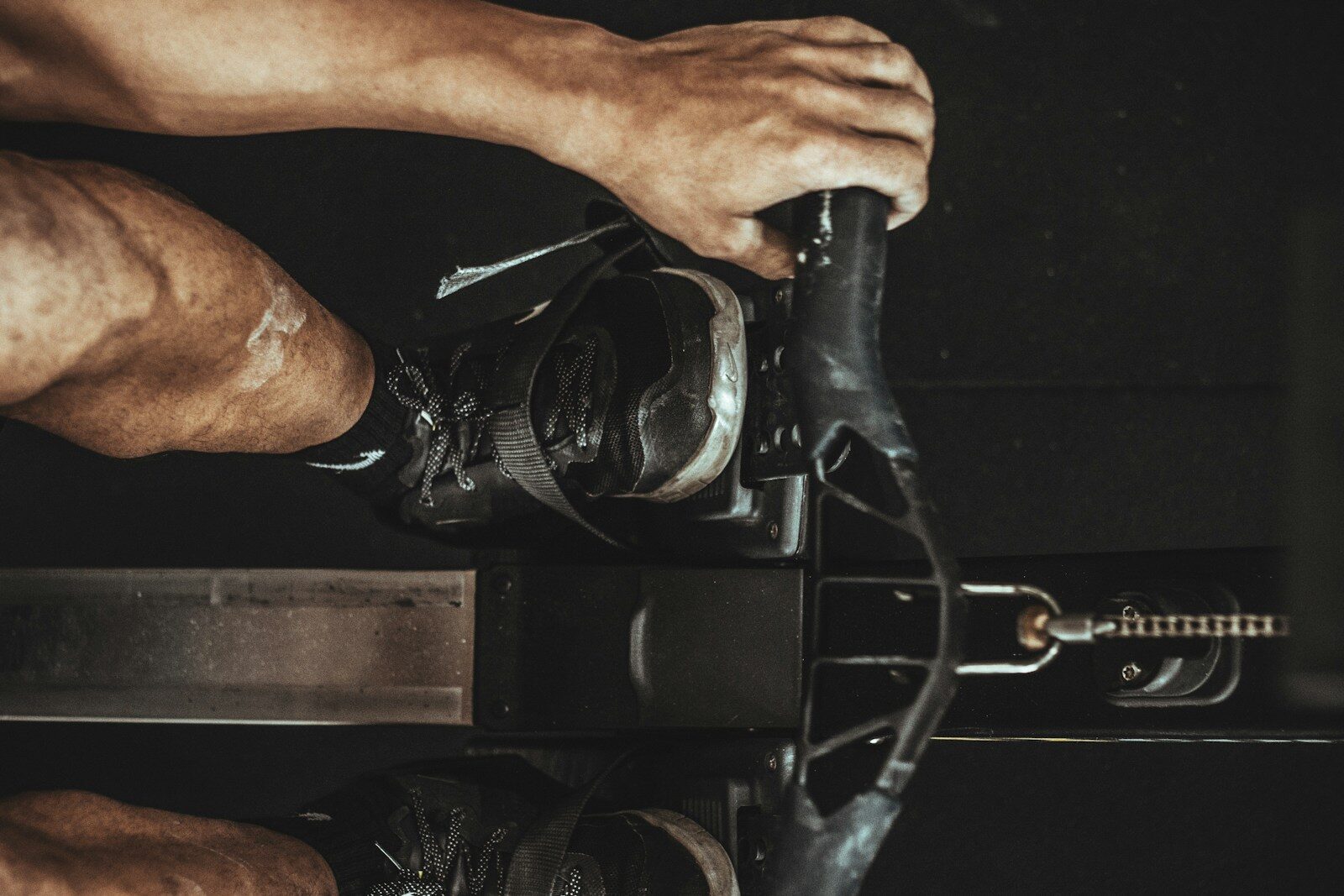
Home Cardio Gym Setup: Budget, Space, and Equipment Planning Guide
Building Your Home Cardio Gym: A Strategic Guide to Space, Budget, and Equipment
Creating an effective home cardio gym is a strategic investment in your long-term health. The process requires more than just buying a machine; it demands careful planning around your available space, financial parameters, and personal fitness goals. A well-planned setup removes barriers to consistent exercise, saving you time and money while delivering lasting results. This guide provides a comprehensive framework to design a functional, motivating, and sustainable cardio space, with a particular focus on integrating a stationary bike as a versatile centerpiece. You will learn to assess your environment, allocate funds wisely, select the right equipment, and build a regimen that keeps you engaged for years.
Assessing Your Available Space and Environment
The first step is a realistic audit of your physical environment. This assessment dictates every subsequent decision, from equipment size to workout type. Begin by measuring the exact dimensions of your intended workout area. Do not rely on estimates. Note the ceiling height, especially if you plan to use a treadmill for running or consider overhead movements. Identify and measure all potential obstacles: doorways, light fixtures, low beams, and permanent furniture.
Consider the floor type. Concrete slabs in basements or garages are ideal for heavy equipment but can be hard and cold. You may need protective mats. Upper-level rooms with wooden subfloors require attention to weight distribution and noise dampening to avoid disturbing others. Proximity to walls and windows matters for equipment that requires rear clearance for dismounting or has a moving console arm.
Ventilation and climate control are critical for cardio. A stuffy, hot room will discourage intense sessions. Ensure the space has adequate airflow, whether from windows, fans, or your home’s HVAC system. Assess the lighting; natural light is motivating, but you may need supplemental lighting for early morning or evening workouts. Finally, think about ambiance and distraction. Can you create a dedicated zone, even if it’s a corner of a room, that feels separate from your living space? This mental separation is key to establishing a consistent routine.
Establishing a Realistic Budget Framework
Your budget is the blueprint for your project. Approach it strategically by categorizing costs beyond the sticker price of equipment. The primary categories are equipment acquisition, necessary accessories, potential installation fees, and ongoing maintenance.
For equipment, establish a clear price ceiling. Stationary bikes range from under $200 for basic models to over $3,000 for connected fitness bikes with subscription services. Determine what features are non-negotiable versus nice-to-have. Remember, the most expensive bike is not a good value if it does not fit your body or goals.
Accessories are a hidden but essential cost. Budget for a high-quality exercise mat to protect your floor and provide comfort. You will need proper footwear, even for cycling. A heart rate monitor, whether a chest strap or optical armband, provides valuable training data. A small fan, a shelf for your tablet, and a towel rack improve the experience. If your equipment requires a dedicated electrical outlet, factor in electrician costs.
Always reserve a portion of your budget—typically 10-15%—for unplanned expenses or future upgrades. This could cover a professional assembly service, a heavier-duty mat, or a replacement part. View your budget as an investment in convenience and health, calculating the cost-per-use over the equipment’s lifespan compared to ongoing gym membership fees.
Strategic Equipment Selection: The Stationary Bike as a Foundation
Selecting your primary cardio machine is a pivotal decision. A stationary bike offers an exceptional balance of low-impact exercise, space efficiency, and versatility, making it an ideal foundation for most home gyms. Its design places minimal stress on joints while providing a highly effective cardiovascular and lower-body strengthening workout.
You face a fundamental choice between bike types. Upright bikes mimic the posture of a traditional road bike, engaging your core and upper body slightly more. Recumbent bikes feature a bucket seat with back support and pedals positioned in front, offering superior lumbar support and stability, which is advantageous for those with back issues or balance concerns. Indoor cycling bikes, or spin bikes, are designed for high-intensity, out-of-the-saddle riding with a heavy flywheel for a road-like feel and significant resistance range.
Key specifications demand your attention. The drive system is paramount. A belt drive is virtually silent and requires minimal maintenance, while a chain drive offers a more authentic road feel but may need occasional lubrication. Flywheel weight determines smoothness; a heavier flywheel (18kg/40lbs and above) creates a more realistic, momentum-driven pedal stroke. The resistance mechanism—whether magnetic, friction, or electromagnetic—affects noise levels and granularity of adjustment. Magnetic resistance is typically quiet and consistent.
Finally, evaluate the fit and adjustability. The seat and handlebars should offer multiple planes of adjustment (height, fore/aft) to achieve a proper, comfortable riding position that prevents knee or back strain. A poorly fitting bike will not be used consistently.
Sourcing Your Equipment: New vs. Used and Marketplaces
Once you know what you need, the next strategic decision is where to acquire it. The new versus used debate hinges on your budget, risk tolerance, and desire for warranty protection.
Purchasing new equipment from authorized retailers offers clear advantages: a full manufacturer’s warranty, assured condition, professional delivery, and often setup services. You benefit from the latest technology and models. This is the recommended path for complex, technology-dependent bikes or if you prioritize a hassle-free experience. Major fitness retailers, both online and brick-and-mortar, are the primary sources.
The used market can provide tremendous value, often at 30-70% off retail price. High-quality commercial-grade bikes from brands like Life Fitness or Matrix frequently appear on secondary markets as gyms upgrade their inventory. Sourcing used requires diligence. Always insist on an in-person inspection and test ride. Check for smooth operation of the pedals and flywheel, listen for unusual grinding or clicking noises, and test every adjustment mechanism and electronic function. Look for signs of excessive wear on the seat, handlebars, and pedal straps.
Primary marketplaces include Facebook Marketplace, Craigslist, and local estate sales for individual sellers. For commercial resellers, look to specialized fitness equipment refurbishers. When buying used, factor in the cost and logistics of transportation; you are responsible for moving a heavy, awkward item. A great deal is negated by a $200 moving fee or a back injury.
Optimizing a Small Space for Maximum Utility
Limited square footage is a common constraint, but it should not be a barrier. Intelligent space optimization can create a highly functional micro-gym. The stationary bike is a champion here, often requiring a footprint of just 4 feet by 2 feet.
Embrace vertical storage. Wall-mounted racks or shelves can hold weights, resistance bands, yoga mats, and other accessories, keeping the floor clear. Use the space behind or beside the bike. A narrow console table can hold a water bottle, heart rate monitor, and tablet. Consider a foldable exercise mat that can be stored in a closet when not in use.
Choose multi-functional equipment. A set of adjustable dumbbells replaces an entire rack of fixed weights. A single suspension trainer system can anchor to a door for strength training complementary to your cardio. The goal is to avoid single-use items that clutter the space.
Visual management is key. A clean, uncluttered space is more inviting. Use cable management solutions for any cords from the bike or fans. Ensure there is clear, safe walkway space around the equipment for mounting and dismounting. In multi-purpose rooms, consider a decorative room divider or screen to visually separate your gym area when not in use, helping with mental compartmentalization.
Essential Accessories for Safety, Performance, and Comfort
The right accessories transform a basic setup into a professional-grade training environment. They enhance safety, improve performance data, and increase comfort, directly impacting your consistency.
Floor protection is non-negotiable. A high-density rubber mat, at least 1/2 inch thick, protects your flooring from sweat, scratches, and indentations from the bike’s feet. It also dampens vibration and noise. For a comprehensive look at protecting your investment and space, our Cardio Equipment Guide covers flooring and maintenance essentials.
Monitoring tools elevate your training. A heart rate monitor is the most important accessory for objective intensity measurement. Chest strap monitors are generally more accurate than optical wrist sensors. Pair this with a simple cycling computer or use a fitness app on a tablet to track time, distance, and estimated calorie output.
Comfort items have a high return on investment. A high-velocity floor fan is crucial for cooling. A ergonomic seat cover or padded cycling shorts can make longer rides more pleasant. Install a sturdy tablet holder to follow along with virtual classes or entertainment. Keep hydration within easy reach with a large water bottle.
Finally, include basic maintenance tools: a small toolkit for adjustments, a microfiber cloth and mild cleaner for the bike frame and console, and a lubricant specified for your bike’s drive system.
Designing an Effective and Sustainable Cardio Training Plan
Equipment is a tool; a plan provides the blueprint for results. An effective cardio plan is built on principles of progression, variety, and sustainability, tailored to your fitness level and goals.
Begin by establishing your baseline. Use your bike’s console or a heart rate monitor to determine your average output or heart rate at a perceived moderate effort. Your primary goals will shape the plan’s structure. For general health and endurance, the American Heart Association recommends at least 150 minutes of moderate-intensity aerobic activity per week. This could be five 30-minute steady-state rides.
For fat loss and improved metabolic conditioning, incorporating High-Intensity Interval Training (HIIT) is highly effective. This involves alternating short bursts of maximum effort (e.g., 30 seconds of sprinting) with periods of active recovery (e.g., 60-90 seconds of easy pedaling). This method can yield significant benefits in shorter time frames. To explore this methodology in depth, our guide on HIIT & Aerobic Training provides structured protocols and science.
To prevent plateaus and boredom, employ periodization. Structure your training in 4-6 week blocks, each with a different focus (e.g., base building, HIIT intensity, active recovery). Vary your workout types within the week: one long, steady ride; two HIIT sessions; and one recovery ride. Always include a proper warm-up (5-10 minutes of easy pedaling with dynamic stretches) and cool-down (5 minutes of easy pedaling with static stretching).
Integrating Technology and Virtual Training Platforms
Modern home cardio training is powerfully augmented by technology. Virtual platforms provide structured coaching, immersive entertainment, and community, which are proven to boost adherence.
Connected fitness bikes come with integrated screens and proprietary subscriptions (e.g., Peloton, iFit, Zwift). These offer a seamless, all-in-one experience with live and on-demand classes, leaderboards, and performance tracking. The cost is higher upfront and ongoing.
For standard bikes, you can create a connected experience with a separate tablet or smart TV. Numerous apps deliver world-class content. Zwift and Rouvy create virtual cycling worlds where your pedal power controls an on-screen avatar. Independent platforms like Apple Fitness+, Les Mills+, and the Peloton App (used without their hardware) offer cycling classes you can follow along with using your own bike’s resistance knob.
To set this up, you need a sturdy tablet holder or a TV in view. For more accurate data integration, consider adding Bluetooth-enabled cadence and speed sensors to your bike, which can broadcast your metrics to these apps. This integration turns a simple machine into an interactive portal to global rides and coached sessions, effectively solving the motivation problem many face when working out alone.
Long-Term Maintenance and Care for Your Investment
Protecting your financial investment requires a proactive maintenance routine. Consistent care ensures optimal performance, safety, and extends the equipment’s lifespan by years.
Establish a regular cleaning schedule. After each use, wipe down the entire bike with a soft, slightly damp cloth to remove sweat, which is corrosive. Use a mild, non-abrasive cleaner for the frame. Avoid spraying liquids directly onto the bike, especially near the console or resistance mechanism. Instead, spray the cloth first.
Lubrication is critical for smooth operation. Consult your owner’s manual for the specific type of lubricant and the recommended interval for your bike’s drive system (chain or belt) and adjustment points. A common mistake is over-lubricating, which attracts dust and creates a grimy paste.
Conduct a monthly inspection. Check and tighten all bolts and fasteners, as vibration from use can loosen them over time. Examine the seat and handlebar adjustments to ensure they lock securely. Inspect the pedals and straps for wear. Listen for new or unusual sounds during your ride—squeaks, clicks, or grinding often indicate a part needs attention.
For electronic consoles, use a dry cloth only. If the bike will be unused for an extended period, consider unplugging it from the wall to protect against minor power surges. Keeping the bike in a climate-controlled environment, away from extreme humidity or temperature swings, will protect its electronic and mechanical components.
Avoiding Common Pitfalls in Home Gym Setup
Learning from the mistakes of others can save you significant frustration and money. Several common pitfalls can undermine an otherwise well-intentioned home gym project.
The most frequent error is purchasing equipment impulsively based on a trend or a deep discount, without considering personal fit or long-term use. A bike that is uncomfortable will become a very expensive clothes rack. Always test a model in person if possible, or thoroughly research its ergonomics.
Underestimating space requirements leads to a cramped, unsafe environment. People often forget to account for the space needed around the equipment for safe mounting, dismounting, and movement. Your setup should feel open, not claustrophobic.
Neglecting the importance of ambiance is a subtle demotivator. A dark, dingy corner of a basement with poor air circulation is an uninviting place to spend time. Invest effort in lighting, ventilation, and perhaps a fresh coat of paint or an inspiring poster to create a space you want to enter.
Finally, many fail to have a plan. They assume that owning the equipment is enough. Without a structured training schedule or clear goals, motivation wanes quickly. Define your “why” and map out your first month of workouts before you even make your first purchase. This ensures the equipment serves a purpose, not the other way around. For those focused on body composition, integrating cardio strategically is key, as detailed in our resource on Cardio for Weight Loss.
Conclusion: Building a Lifelong Fitness Asset
A strategically planned home cardio gym is more than a collection of equipment; it is a lifelong asset for your health, time, and financial well-being. By methodically assessing your space, setting a realistic budget, and selecting versatile, high-quality foundations like a stationary bike, you create a permanent solution to the common barriers of convenience, cost, and consistency. This process demands upfront investment of thought and resources, but the return—unlimited access to effective exercise in your own home—compounds over years. Your home gym becomes a personalized wellness hub, adaptable to your evolving goals and lifestyle. Begin with a clear plan, prioritize fit and function over flash, and build the space that will support your health journey for the long term.
Frequently Asked Questions
What is the minimum space required for a home cardio setup with a bike?
You need a clear floor area of approximately 4 feet by 2 feet for the bike itself. Here’s the catch: for safety and comfort, plan for a total zone of at least 6 feet by 5 feet. This allows room for a mat, safe mounting/dismounting, and space for complementary exercises like stretching or bodyweight movements.
Is a used stationary bike a good option for a home gym?
Yes, a used bike can be an excellent value, especially for commercial-grade models. Success depends on a thorough inspection. Always test ride it, check all adjustments and electronics, and listen for unusual noises. Factor in the cost and logistics of moving the heavy equipment to your home.
How much should I budget for a quality starter home cardio setup?
For a focused setup centered on a new, mid-range stationary bike, allocate $800 to $1,500. This should cover the bike, a high-quality floor mat, a basic heart rate monitor, and essential accessories like a fan and water bottle. You can start effectively for less with a carefully selected used bike.
Can I get an effective full-body workout with just a stationary bike?
A stationary bike primarily targets your lower body and cardiovascular system. For balanced fitness, you must integrate upper-body and core strength training. This can be achieved by adding resistance bands, dumbbells, or bodyweight exercises (like push-ups and planks) on alternate days to create a complete routine.
References
– American Heart Association Recommendations for Physical Activity in Adults
– Centers for Disease Control and Prevention: Physical Activity Basics
– Consumer Reports: How to Choose an Exercise Bike
– Mayo Clinic: Exercise intensity: How to measure it