
The Best Time of Day to Do Cardio for Fat Loss (Morning vs. Evening)
The Best Time of Day to Do Cardio for Fat Loss (Morning vs. Evening)
You set your alarm for 5:30 AM, convinced morning cardio is the ultimate fat-burning secret. Or perhaps you push your session to the evening, believing your body performs better later. The debate over the optimal cardio timing for fat loss is filled with strong opinions and conflicting science. The truth is more nuanced. The best time for your cardio depends on a personal intersection of physiology, psychology, and practical logistics. For fat loss, consistency in creating a calorie deficit matters far more than any minor metabolic advantage from timing. Here’s the catch: aligning your workout with your body’s natural rhythms can enhance adherence, performance, and potentially the quality of each calorie burned. This analysis examines the evidence for morning versus evening cardio, providing a framework to decide what will work best for your life and goals.
The Core Principle: Consistency Trumps Timing
Before comparing morning and evening, you must internalize the cardinal rule of exercise for fat loss. The most powerful factor is not when you train, but that you train consistently over weeks and months. A sustainable routine you can maintain is infinitely more valuable than an optimal routine you abandon. The primary driver of fat loss is a sustained calorie deficit, where you expend more energy than you consume. Cardiovascular exercise is one tool to increase that energy expenditure. Whether you burn 300 calories at 6 AM or 6 PM, that calorie contribution to your weekly deficit is identical. The difference lies in how the context of that burn—fasted or fed, alert or fatigued—might influence your total daily activity, appetite, and long-term commitment. Your first priority must be selecting a time slot you can protect and repeat without constant internal negotiation. A consistent evening routine that you complete five days a week will yield better fat loss results than a theoretically perfect morning routine you only manage twice a week.
The Science of Circadian Rhythms and Exercise Performance
Your body operates on a 24-hour internal clock known as your circadian rhythm. This biological timer regulates core temperature, hormone secretion, alertness, and metabolic rate. These rhythms directly influence physical performance. Core body temperature and hormone levels like testosterone and cortisol naturally peak in the late afternoon for most people. Muscle strength, power output, and reaction times often follow this pattern, suggesting a physiological predisposition for higher-intensity performance in the late afternoon or early evening. A meta-analysis of chronobiology studies confirms that anaerobic performance, like sprinting or heavy lifting, tends to be best between 4 PM and 8 PM. For cardio, the picture is less clear. Endurance capacity may also be slightly enhanced later in the day due to warmer muscles and more flexible joints, potentially reducing injury risk and allowing for greater work output. Yet, the fat-burning implications of performing slightly better are not straightforward. A more efficient body during evening cardio might burn calories faster, but it could also mean you subconsciously exert less effort for the same perceived workout. The performance advantage of evening workouts is real but modest, and its direct translation to increased fat loss is not guaranteed.
Morning Cardio: The Case for Fasted-State Fat Burning
Proponents of morning cardio often cite the state of overnight fasting. After 8-12 hours without food, your liver glycogen stores are partially depleted. The theory posits that your body, needing fuel, will more readily tap into fat stores for energy during exercise. Research does show that fasted cardio can increase the percentage of fat used as fuel during the exercise session itself. However, this is a classic case of acute versus chronic adaptation. Burning a higher proportion of fat during the workout does not automatically equate to greater total body fat loss over 24 hours. Your body is a dynamic system that constantly adjusts. A fat-burning morning session may lead to a greater reliance on carbohydrates later in the day, balancing the ledger. The critical factor is the total 24-hour energy balance. Beyond this, fasted cardio performed at moderate to high intensities can lead to increased muscle protein breakdown, a counterproductive effect for those aiming to preserve metabolic muscle mass while losing fat. For low-intensity steady-state cardio, fasted training may offer a slight edge in fat oxidation, but the overall impact on weekly fat loss is likely small for most individuals.
Beyond physiology, morning cardio offers significant behavioral advantages. Exercising first thing eliminates the risk of daily obligations, work emergencies, or social plans derailing your session. It can boost mood, focus, and energy levels for the day ahead through the release of endorphins. Many find that a morning workout establishes a proactive, disciplined tone for the day, reinforcing other healthy habits. From a practical standpoint, gyms are typically less crowded, and home equipment is readily available. The main drawback is physiological: you are starting cold. Your core temperature is at its daily low, muscles are stiff, and you may need a longer warm-up. High-intensity interval training may feel more challenging. There is also the simple reality of waking up earlier, which requires an adjusted sleep schedule to avoid chronic fatigue.
Evening Cardio: The Case for Performance and Stress Relief
Evening cardio capitalizes on your body’s natural physiological peak. With higher core temperature and hormone levels optimized for exertion, you may be able to work harder, run faster, or sustain a higher power output. This performance boost can translate to a greater total calorie burn per session. For high-intensity interval training or demanding endurance work, the evening may allow for higher quality training. This quality can contribute to greater fitness gains over time, which indirectly supports fat loss by enabling you to burn more calories in future workouts. Also, for those who eat before training, having fuel in the system can prevent the muscle breakdown associated with fasted training and support more vigorous effort.
The psychological benefits are also compelling. Evening exercise serves as a powerful physical buffer between the stress of the workday and personal time. It can function as a moving meditation, helping to clear your mind, metabolize stress hormones like cortisol, and improve sleep quality for many people—provided the session concludes 2-3 hours before bedtime. The primary risk of evening cardio is schedule interference. After a long day, motivation can wane. Fatigue, unexpected work demands, or social invitations can easily sabotage your plans. For some, vigorous exercise too close to bedtime can be overstimulating, impairing sleep onset. The key is to treat the evening slot with the same non-negotiable priority as a morning appointment.
Comparative Analysis: Morning vs. Evening Cardio for Fat Loss
The following table summarizes the key trade-offs to consider. Your personal context will determine which column’s profile best aligns with your goals and lifestyle.
| Factor | Morning Cardio | Evening Cardio |
|---|---|---|
| Physiological State | Fasted; lower core temp, stiffer muscles. | Fed; higher core temp, peak hormone levels. |
| Fat Oxidation During Exercise | Potentially higher, especially at low intensities. | Potentially lower proportion, but total calorie burn may be higher. |
| Performance Capacity | Lower for high-intensity work; optimal for low-intensity steady state. | Higher; better for HIIT, sprints, or demanding endurance sessions. |
| Behavioral Adherence | High. Eliminates daily excuses; sets a positive tone. | Lower risk of interference from morning fatigue, higher risk from daily obligations. |
| Impact on Daily Activity | May boost energy and non-exercise activity thermogenesis (NEAT). | May reduce evening sedentary time; can relieve stress. |
| Appetite & Hunger | Variable; may suppress appetite for some, increase it for others. | May help regulate evening eating patterns by providing structure. |
| Practical Logistics | Requires early wake-up; gyms are less crowded. | Must withstand daily schedule disruptions; gyms may be busier. |
| Best Suited For | Individuals who are morning people, prefer consistency over intensity, or have busy evenings. | Individuals who feel stronger later, prioritize high-intensity performance, or use exercise for stress relief. |
The Critical Role of Exercise Intensity and Type
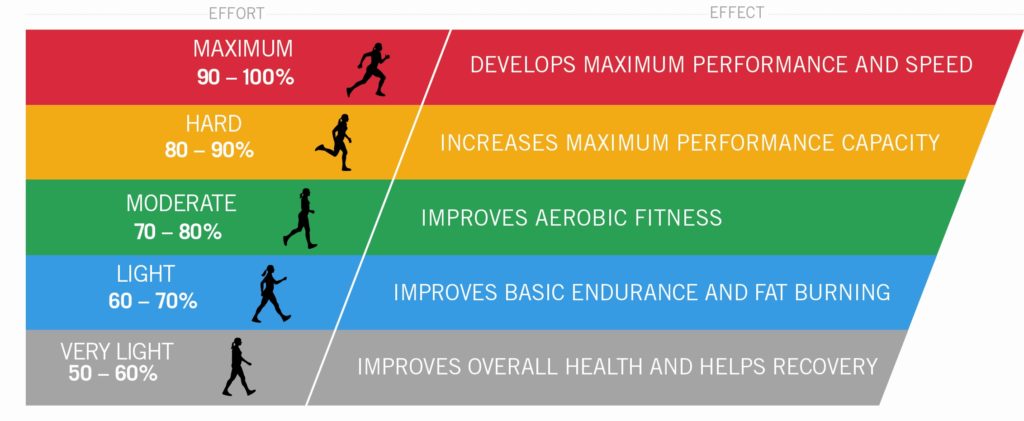
The optimal time for cardio cannot be divorced from the type of cardio you perform. Intensity fundamentally changes the fuel source and physiological impact.
Low-Intensity Steady State (LISS): Activities like walking, light jogging, or cycling at a conversational pace. This type of exercise primarily uses fat as fuel. For LISS, the fasted state of morning cardio may maximize fat oxidation during the session. It is also less affected by the body’s lower morning performance capacity. Morning LISS is a strong, sustainable strategy.
Moderate-Intensity Steady State (MISS): Activities like running, cycling, or swimming at a challenging but steady pace. The fuel mix is more balanced. Both morning and evening can work well. Morning sessions ensure completion, while evening sessions might allow for a slightly faster pace or longer duration.
High-Intensity Interval Training (HIIT): Short bursts of all-out effort followed by recovery. HIIT relies almost exclusively on carbohydrate for fuel. Performance is paramount. The evening’s physiological peak makes it the superior time for HIIT, enabling you to achieve the true high intensities required for the protocol to be effective. Attempting maximal HIIT fasted in the morning is often counterproductive and can lead to premature fatigue or dizziness.
This means your decision might not be “morning or evening,” but “what type of cardio and when?” A blended approach is valid: morning LISS walks most days, with evening HIIT or intense cycling sessions twice a week. For a deeper understanding of structuring these different modalities, our guide on creating a weekly HIIT & cardio schedule provides actionable frameworks.
Personalization: The Deciding Factors Beyond Science
Science provides the backdrop, but your life writes the script. Consider these personal factors to make your final decision.
1. Your Chronotype: Are you a natural early bird or a night owl? Fighting your innate energy patterns is a losing battle for consistency. A night owl forcing 5 AM runs will struggle more than an early bird doing the same.
2. Your Daily Schedule: Be ruthlessly realistic. A parent with chaotic mornings may find a post-bedtime evening session the only quiet time. A professional with late, unpredictable meetings may need to own their morning.
3. Your Primary Goal: Is it pure fat loss, performance improvement, or stress management? For pure fat loss, consistency with any timing wins. For performance, lean evening. For stress relief, evening may be more therapeutic.
4. Your Response to Fasted Exercise: Experiment safely. Do you feel energized and focused during fasted morning cardio, or weak, dizzy, and ravenous afterward? Your subjective experience is a valid data point.
5. Sleep Quality: Your workout must not sabotage sleep. If evening exercise leaves you wired, move it earlier. If morning exercise requires sacrificing an hour of sleep, it is detrimental. Sleep is foundational to fat loss, hormone regulation, and recovery.
A Practical Framework for Experimentation and Decision
Do not guess. Test. Follow this four-week plan to gather personal data.
Weeks 1 & 2: Schedule all cardio sessions in the morning. Keep intensity moderate. Note your energy during the workout, your hunger levels throughout the day, your adherence rate, and your sleep quality.
Weeks 3 & 4: Schedule all cardio sessions in the evening. Again, note performance, post-workout recovery, adherence challenges, and sleep.
Evaluate: Which two-week block felt more sustainable? In which block did you miss fewer sessions? Which block left you feeling better overall, not just during the workout? The block with higher adherence and better overall feeling is your optimal time.
Remember, the goal is to integrate cardio seamlessly into your life as a tool for health and fat loss. It should not be a daily source of stress or logistical conflict. For a comprehensive view of how cardio fits into a broader fat-loss strategy, including how to balance it with strength training, explore our detailed analysis on cardio vs. strength training for fat loss.
Synergizing Cardio Timing with Nutrition for Fat Loss
Timing your cardio effectively also involves strategic nutrition, not just for the workout but for the entire day.
For Morning Cardio (Fasted): Hydrate with water before starting. For sessions under 60 minutes at low-to-moderate intensity, you likely need no additional fuel. For longer or more intense morning sessions, consider a small, easily digestible carbohydrate source 15-30 minutes prior, like a banana or a piece of toast. Your post-workout meal becomes crucial. Consume a balanced meal with protein and carbohydrates within 1-2 hours to replenish glycogen and support muscle repair.
For Evening Cardio (Fed): Your pre-workout nutrition depends on the timing of your last meal. A general rule is to have a mixed meal containing carbs, protein, and some fat 2-3 hours before exercise. If training sooner, a small carbohydrate-based snack 30-60 minutes prior can provide quick energy. Post-workout, especially if it was intense, a meal with protein and carbs supports recovery. If your session ends close to bedtime, a lighter, protein-focused snack may be preferable to a large meal.
* The 24-Hour View: Ultimately, your total daily protein and calorie intake matters more than peri-workout nutrient timing for fat loss. Use timing to support performance and recovery, not as a primary fat-loss driver. Do not let a perfectly timed fasted morning cardio session justify poor food choices for the rest of the day.
Conclusion: Making Your Strategic Choice
The search for the single best time to do cardio for fat loss is a search for a minor optimization within a much larger system. The evidence shows that both morning and evening sessions have distinct, context-dependent advantages. Morning cardio promotes consistency and may enhance fasted fat oxidation. Evening cardio leverages peak physiology for potentially greater performance and calorie burn. The most significant metabolic advantage, however, will always come from the cumulative effect of hundreds of sessions performed over months and years.
So, your decision should follow this hierarchy: First, choose the time that aligns with your personality and schedule to guarantee consistency. Second, match the type and intensity of your cardio to that time (e.g., LISS in the morning, HIIT in the evening). Third, support your routine with strategic nutrition and sleep. By applying this framework, you move beyond the morning versus evening debate and create a personalized, sustainable cardio practice that reliably contributes to your fat loss goals as part of a comprehensive plan. For the foundational science behind all fat-burning cardio strategies, return to our pillar resource, The Science of Cardio for Weight Loss: Building Your Fat-Burning Engine.
Frequently Asked Questions
Does fasted morning cardio really burn more fat?
It can increase the percentage of fat burned during the exercise session itself, particularly at low intensities. However, this does not automatically result in greater total body fat loss over 24 hours or weeks. Your body compensates throughout the day. The overall impact on fat loss is small compared to the total calorie deficit you maintain.
Will evening cardio ruin my sleep?
It depends on the individual and the proximity to bedtime. Vigorous cardio finishing less than 2-3 hours before sleep can be overstimulating for some, raising core body temperature and heart rate, making it hard to fall asleep. For others, evening exercise promotes relaxation. Monitor your own sleep quality and adjust your workout timing accordingly.
I am not a morning person. Should I still force morning cardio?
No. Forcing an unnatural routine reduces adherence, the most critical factor for success. If you are a night owl, you will likely achieve better consistency and possibly better performance with evening workouts. The best routine is the one you can perform regularly without excessive struggle.
How does cardio timing affect muscle loss during a calorie deficit?
Very intense fasted cardio, especially without adequate protein intake, may increase muscle protein breakdown. If preserving muscle is a priority, performing cardio in a fed state (evening) or ensuring protein consumption before/after morning sessions is prudent. Resistance training remains the most powerful tool for muscle retention.
Can I split my cardio, doing some in the morning and some in the evening?
Yes. This strategy, sometimes called “exercise snacking,” can be effective for increasing total daily activity and calorie burn. For example, a morning walk and an evening cycling session. This approach can enhance overall daily energy expenditure without requiring a single long, daunting workout block.
References
– National Institute of General Medical Sciences: Circadian Rhythms
– Journal of Sports Sciences: Diurnal variation in sports performance
– Journal of the International Society of Sports Nutrition: Fasted vs. fed exercise
– Sports Medicine: The Effect of Night-Time Exercise on Sleep